
Cyber threats in 2025 are evolving faster than ever before. AI-powered phishing scams, credential theft, ransomware, and deepfake-based attacks are becoming more sophisticated each day. In this era of digital transformation, websites without SSL encryption are prime targets for hackers. SSL encryption isn’t just a technical upgrade—it’s a fundamental shield that protects data integrity, privacy, and customer trust.
1. The Evolution of Cyber Attacks in 2025
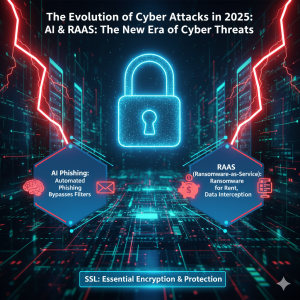
Artificial Intelligence has changed the cybersecurity landscape. Attackers now use AI to automate phishing emails that perfectly mimic legitimate sources. These “AI phishing” campaigns can bypass traditional spam filters and trick even tech-savvy users. Without SSL encryption, sensitive data like passwords, payment details, and customer records can be easily intercepted.
Furthermore, ransomware-as-a-service (RaaS) is booming. Cybercriminals can now “rent” attack tools online, increasing the number of small-scale hackers. SSL helps encrypt all communication between users and servers, preventing unauthorized access or data tampering.
2. How SSL Encryption Protects You
SSL (Secure Socket Layer) and its modern successor, TLS (Transport Layer Security), create an encrypted connection between a web server and a browser. This means any data transferred—whether login credentials, credit card information, or form submissions—is protected from interception.
When users see the HTTPS padlock icon, they know your website is secure. This simple visual cue builds confidence and increases trust, especially for e-commerce, finance, and healthcare websites.
Key Benefits :
- Encrypts sensitive user data from cyber theft
- Authenticates website identity to prevent fake sites
- Boosts SEO ranking on Google
- Prevents browser warnings like “Not Secure”
- Strengthens brand reputation and user trust
3. The Cost of Ignoring SSL in 2025
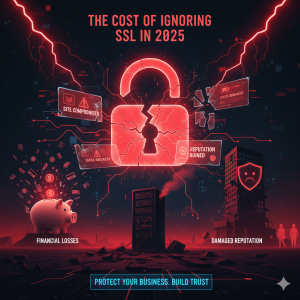
Failing to implement SSL in 2025 isn’t just a security risk—it’s a business risk. Modern browsers will display security warnings, which can instantly reduce visitor engagement. Customers are far less likely to input data or make purchases on sites without HTTPS.
Additionally, search engines now prioritize secure websites. Without SSL, your site ranking could drop significantly, reducing visibility and traffic. In the era of AI-driven attacks, not having SSL is like leaving your front door open in a bad neighborhood.
4. Preparing Your Business for the Future
To stay ahead of cyber threats, businesses must adopt a proactive approach. Installing and renewing SSL certificates regularly is one of the simplest yet most effective steps. Choose trusted providers like GeoTrust, DigiCert, or GlobalSign to ensure top-tier encryption and validation.
Consider automation tools that handle SSL renewals to prevent downtime or expiration. Regularly audit your security setup and use SSL checkers to verify your certificates are properly installed.
Conclusion
In 2025, the battle for cybersecurity is no longer optional—it’s survival. SSL encryption acts as the first line of defense against AI-based threats, phishing, and data theft. Beyond protecting data, it builds trust, boosts SEO, and secures your brand reputation.
Stay ahead of cyber threats — protect your website today with sslmalaysia.com.my


